Image
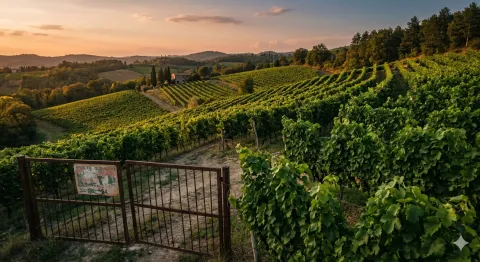
Green rows, bureaucratic chains.
Article title
Resistenza enoica Con i PIWI il futuro è in vigna, ma il mercato (ancora) non lo sa
Link to article
Date of publication
Summary
PIWI grapes—from the German PilzWiderstandsfähig, meaning fungus-resistant—are not a fringe experiment anymore, whatever the holdouts still argue. Agronomist Nicola Biasi has put hard numbers to what growers have been watching in their own vineyards for years: where traditional organic viticulture can demand up to twenty treatments a season, resistant varieties routinely get by with four or five. Producers in his network are recording CO₂ reductions of around 40% and a 70% drop in water used for treatments against conventional benchmarks. None of this is seriously contested at this point. The more interesting wrinkle comes from Mario Pojer of Pojer & Sandri in Trentino, a grower who has built his reputation on pushing toward zero-treatment viticulture. Even he isn't claiming the picture is clean. Secondary pathogens—black rot and anthracnose, the kind that used to get knocked back quietly as a side effect of routine anti-downy mildew sprays—have started showing up again in PIWI plots. Pojer isn't abandoning the approach, but he's rethinking parts of it, and he also flags cisgenetics as the direction he expects classical crossbreeding to move toward next.The article maps the situation carefully enough, though it doesn't press very hard on anything. Gianni Tessari, a producer from the Veronese, positions PIWI as a practical answer for difficult sites—steep ground, humid pockets, vineyards near schools where drift from spraying is a real problem. He also makes what is probably the article's most useful observation: nobody has figured out how to sell these wines yet. Organic? Natural? Resistant? Named by variety? The category is still floating without a home. Zanatta, enologist at Giusti Wine, points to an 80–90% reduction in treatments as compelling ecological marketing, but says traditional expectations keep getting in the way. Martin Foradori Hofstätter is more pragmatic about it—most consumers still pick wine by producer or place, not by a grape name they haven't encountered before. Meanwhile, Italy's Testo Unico del Vino continues to shut PIWI varieties out of DOC classifications entirely, a position no other major European producer holds. France has moved Voltis into experimental AOC status. Spain has cleared a PIWI variety within an appellation framework. Italy is staying put, and the market, for now, seems to be doing the same.