Image
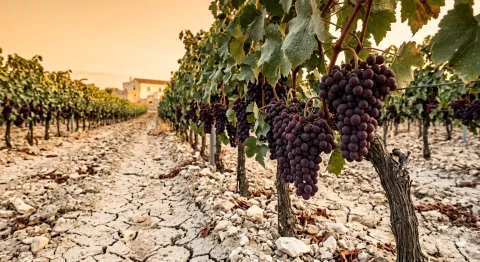
Resistant vines rewrite southern heat.
Article title
La qualità sensoriale dei vitigni PIWI: prospettive per una viticoltura sostenibile
Link to article
Date of publication
Publisher
Teatro Naturale
Summary
European grapevines are under growing pressure from diseases they were never really built to resist. Plasmopara viticola and Erysiphe necator — the fungi behind downy and powdery mildew — demand repeated chemical interventions, which eat into margins and are not exactly kind to the soil. A 2026 paper in the Italian Journal of Food Science by Rossetti and colleagues asks a fairly practical question: can PIWI varieties, which carry some non-vinifera genetics in their background, produce wines people actually want to drink, especially somewhere as punishing as Salento in Puglia? The short answer, it turns out, is probably yes. Merlot Kanthus and Merlot Khorus, both grown at Cantine Due Palme in Cellino San Marco, came out with deeper colour than standard Merlot and held their own — or did better — in blind preference tests with 61 everyday drinkers. Merlot Khorus was the more interesting of the two: its lower pH is a real advantage in a climate where grapes tend to lose acidity fast.The experimental setup is one of the study's stronger points. Same rootstock (Kober 5BB), same training system (Guyot), same microvinification process across all three wines. That kind of consistency means the differences you see are probably down to the varieties and how they behave in that particular place, not something the winemaker did differently. The obvious caveat is that this is still one cooperative, one harvest, one corner of southern Italy. Promising, yes, but not yet a pattern.