Summary
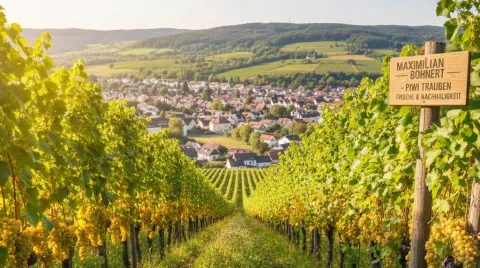
Maximilian Bohnert, owner of a 4.5-hectare vineyard in Achern-Oberachern, is at the forefront of PIWI wine production in Germany. PIWI stands for “pilzwiderstandsfähige” grapes, meaning fungus-resistant varieties that require less pesticide and labor. Bohnert cultivates Pinotin, Satin Noir, Souvignier Gris, Sauvitage, and Helios, each with specific origin and approval history, from experimental to commercially recognized. His red and white wines combine lively aromas, fresh fruitiness, and subtle salinity, while the dessert wines stand out with richness and complexity. The vineyard demonstrates high wine quality and sustainability: fewer tractor passes, lower diesel use, and reduced water consumption. Bohnert exemplifies how PIWI varieties balance technical robustness, ecological advantages, and gastronomic appeal.
Our take
The article convincingly shows PIWI wine potential but remains superficial in critically comparing flavor diversity with traditional grapes. The focus on sustainability and practical advantages is clear, but an in-depth comparison with conventional methods is missing, leaving the innovation perspective partially incomplete.
About the author
Dieter Simon is a wine journalist focused on innovative viticulture and PIWI grapes, known for analytical tasting notes and reports from German wineries.
About the publisher
Bonvinitas is a publisher of articles on wine and viticulture, focusing on innovation and trends in the wine sector.